
When you start working on drywall, it doesn’t take long to realize something important: the tape you choose matters just as much as the compound you use. Whether you’re repairing cracks, finishing seams, or installing new walls, the right Sheetrock tape can make the difference between a flawless finish and a repair that starts cracking too soon. Because sheetrock and drywall finishing rely heavily on durability, ease of installation, and a smooth surface, understanding your options becomes essential. With several types of drywall tape available, it can be tricky to know which one best fits your project.
This guide walks you through the most common Sheetrock tape types, their best applications, and how to avoid common installation mistakes. We’ll also incorporate helpful insights from expert drywall resources, adding clarity that they often miss. Suppose you want professional assistance or deeper learning resources. In that case, you can explore services at Specialized Drywall OJ Inc., check out their Sheetrock services page, and review hands-on tutorials like their guide on repairing Sheetrock walls.
Understanding the Role of Sheetrock Tape in Wall Finishing
Before comparing drywall tape types, it helps to understand why taping matters in the first place. Every drywall installation includes seams where panels meet. These seams naturally shift slightly over time due to temperature changes or building movement. Without reinforcement, these seams eventually crack—and sometimes fast.
That’s where Sheetrock tape (also known as drywall tape or drywall joint tape) comes in. It reinforces seams, strengthens joints, and helps create a perfectly smooth finish once covered with joint compound. By choosing the right tape for the right job, you limit future repairs and achieve better overall wall quality.
Drywall tape installation isn’t complicated, but it does require the right material. Because different kinds of tape work better in various scenarios, picking randomly often leads to imperfections. Instead, knowing your options lets you make professional-level decisions, even on DIY projects.
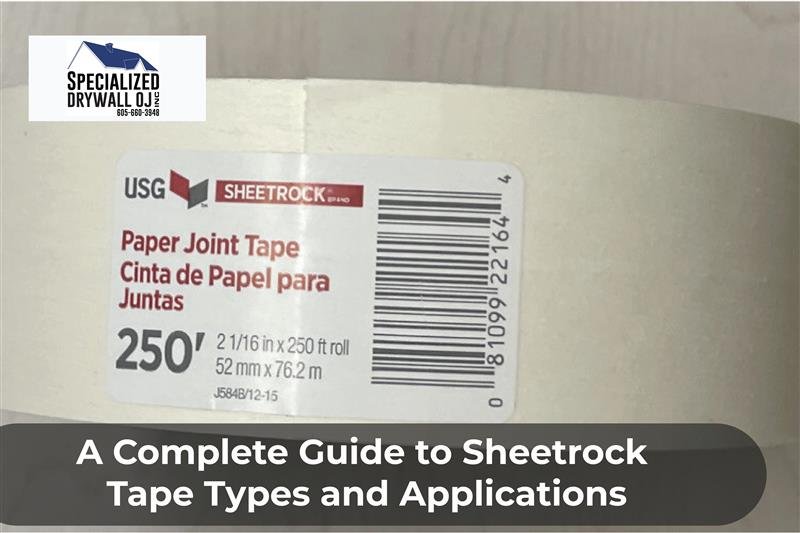
Paper Drywall Tape—The Classic, Reliable Option
Paper drywall tape is the traditional option trusted by professionals for decades. Even though it requires a bit more skill than mesh tape, it produces the most substantial seam reinforcement when used correctly.
Paper tape is best for taping drywall seams and for exceptionally flat joints where two panels meet. It also includes a center crease, making it ideal for inside corners. When combined with a high-quality joint compound, paper tape delivers a smooth finish with minimal risk of bubbling—if applied correctly.
While many new homeowners gravitate toward easier options, paper tape remains the most reliable choice for long-term durability. If you prefer longevity over convenience, this tape should be your go-to.
Fiberglass Mesh Drywall Tape—Quick, Easy, and Perfect for Repairs
Mesh drywall tape (often made from fiberglass) is a favorite for fast repairs and small projects. Unlike paper tape, mesh is self-adhesive and sticks directly to the wall, which means you don’t need to apply a mud layer first.
Its design makes it ideal for:
- Patch jobs
- Drywall crack repairs
- Covering holes
- Situations where speed matters
Although mesh drywall tape offers convenience, it requires setting compound to prevent cracks from forming later. Many homeowners love it because it’s simple to use and doesn’t wrinkle. However, mesh tape isn’t always the best choice for long seams because it doesn’t provide the same strength as paper tape.
Still, when paired with proper installation techniques, fiberglass drywall tape can deliver impressive results—especially if your priority is convenience and quick repair.
Sheetrock Joint Tape vs. Drywall Repair Tape—When to Use Each
Even though some people use these terms interchangeably, the two tapes serve slightly different purposes:
- Sheetrock joint tape (usually paper) is ideal for long seams and new drywall installations.
- Drywall repair tape (usually fiberglass mesh) is perfect for patching and fixing damaged areas.
Both tapes help reinforce joints, but you’ll get better durability when you match the correct tape to the proper application. For example, if you’re fixing seams in a new-construction setting, use paper tape. But if you’re doing a quick fix for a minor surface crack, repair tape is the faster, more effective option.
Because drywall finishing requires both strength and flexibility, homeowners often keep both types on hand for different situations. If you want a complete walk-through on wall repairs, the detailed guide here can help you dive deeper.
Self-Adhesive Tape—A Modern Upgrade for DIY Installers
Self-adhesive tapes, usually made from fiberglass, take convenience to a whole new level. Because these tapes stick instantly, you can apply them without any prior mud layer. This is especially helpful for homeowners who aren’t entirely comfortable with traditional taping methods.
Self-adhesive tape is best suited for:
- Small hole patches
- Preventing cracks around doors and windows
- Covering small gaps
- Temporary fixes
Although they’re user-friendly, these tapes don’t offer the same durability as paper tape in extensive finishing projects. To strengthen them, make sure your compound application is generous enough to fully embed the tape.
If you prefer quick solutions but still want good results, self-adhesive tape can make drywall repair feel much less intimidating.
Fiberglass Drywall Tape for Moisture-Prone Areas
Moisture can damage traditional drywall tape, which is why fiberglass tape becomes essential in bathrooms, kitchens, and basements. Mesh doesn’t mold or absorb moisture, so it maintains reinforcement even in humid spaces.
If you’re working on a project where water exposure is likely, fiberglass tape is the safer, more durable choice. Many contractors also use it in combination with mold-resistant drywall boards for long-lasting performance.
Just remember that moisture-heavy environments still require proper ventilation and sealing. Even mold-resistant materials can fail if the room isn’t well-ventilated.
Choosing the Right Tape for Taping Drywall Seams
While each type of tape has unique strengths, the key is understanding which one works best for your specific project. Let’s break it down simply:
- Use paper tape for finishing long seams and inside corners.
- Use fiberglass mesh for quick repairs and small cracks.
- Use repair tape for patches and damage fixes.
- Use moisture-resistant mesh in humid areas.
- Use self-adhesive tape for DIY-friendly installation.
Before starting any drywall project, evaluate which matters more: durability or convenience. If your goal is to produce professional-quality seams, paper tape will give you the finish you’re aiming for. If you’re handling a simple repair, mesh tape saves time and effort.
More guidance—and professional services, if needed—can be found, which provides complete drywall installation and Sheetrock repair support.
Final Thoughts
Drywall finishing is a skill that combines choosing the right materials with applying them correctly. When you use the right Sheetrock tape and apply it correctly, your seams stay smooth, cracks remain sealed, and your walls maintain their appearance for years.
Whether you’re patching, installing, or upgrading walls, selecting the correct tape makes the entire process easier and more reliable. And for homeowners who want professional help or expert-level resources, Specialized Drywall OJ Inc. offers valuable insights and hands-on services to ensure top-tier results.
FAQs
1. What is the strongest type of Sheetrock tape?
Paper drywall tape is considered the strongest option for long seams and inside corners.
2. Is mesh drywall tape suitable for beginners?
Yes. It’s self-adhesive, making installation easier, especially for patch jobs and minor repairs.
3. Can drywall tape be used on ceilings?
Absolutely. Both paper and fiberglass tape can be used on ceilings when installed correctly.
4. Does drywall tape require joint compound?
Paper tape requires compound beneath and above. Mesh tape involves a layer of compound on top.
5. Which drywall tape works best in bathrooms?
Fiberglass drywall tape is best for moisture-prone areas such as bathrooms and kitchens.