
Installing drywall might seem like a job reserved for seasoned contractors, but with the right tools, knowledge, and a bit of patience, even homeowners can take on this rewarding task. Whether you’re finishing a basement, updating a living room, or building from the ground up, custom drywall installation is your ticket to clean, crisp walls and ceilings that are ready for paint, texture, or wallpaper.
Still, there’s a big difference between slapping some panels up and doing it right. From measuring and cutting to hanging and finishing, each step plays a crucial role in ensuring your walls are smooth, straight, and seamless. In this step-by-step guide, we’ll walk you through the entire process, whether you’re going full DIY or working with professional drywall installers.
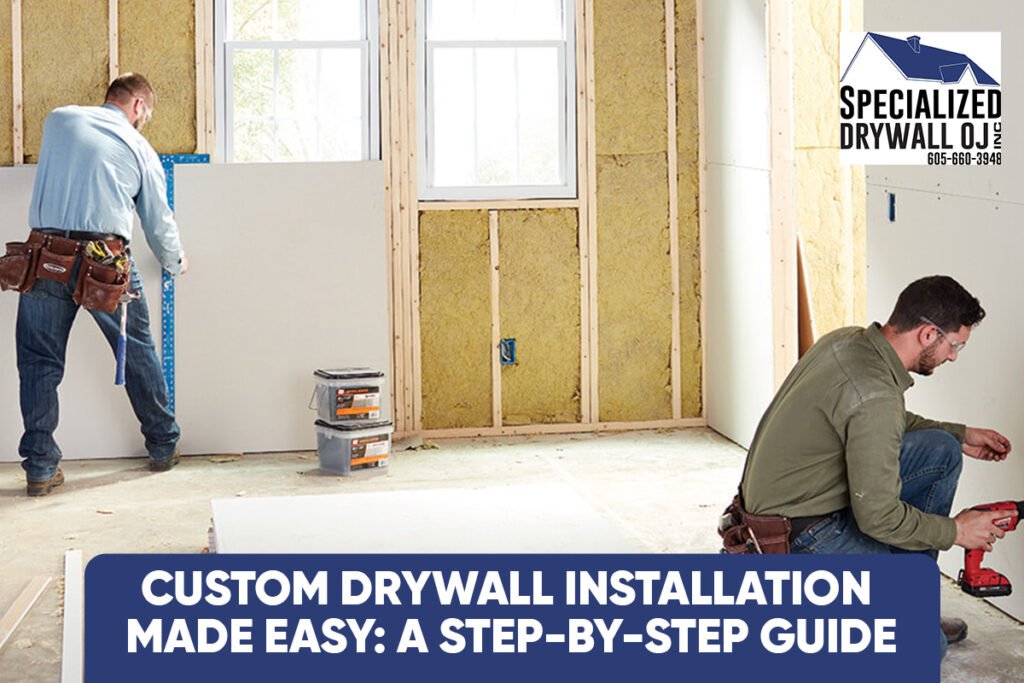
Planning Your Drywall Project the Smart Way
Before diving into tools and materials, it’s essential to assess the scope of your project. Are you replacing damaged walls or starting fresh construction? Will you be working with standard panels or require specialized wallboard services?
Start by measuring each wall and ceiling area where drywall will be installed. Multiply height by width to get the square footage, then add about 10–15% extra to account for waste and mistakes. Choose your panel type—typically 1/2” thick for walls and 5/8” for ceilings or fire-rated areas.
If your job includes moisture-prone spaces like bathrooms or kitchens, consider moisture-resistant boards. For expert material selection and drywall installation services, check out Specialized Drywall OJ Inc.
Tools and Materials You’ll Need
Having the right tools makes all the difference when handling drywall repair and installation. Here’s a must-have list before you begin:
- Drywall sheets
- Drywall screws
- Screw gun or drill
- Drywall saw or utility knife
- T-square
- Tape measure
- Drywall lift (for ceilings)
- Joint compound
- Drywall tape (paper or mesh)
- Sanding block or pole
- Corner bead for outside corners
- Safety goggles and mask
Working smarter with proper tools ensures fewer mistakes and smoother results. If you’d rather have a stress-free experience, you can always hire reliable drywall contractors to handle it professionally.
Step 1: Mark and Measure with Precision
Every successful drywall project begins with accurate marking and measuring. Use a T-square and tape measure to lay out your cuts clearly on the drywall sheets. Mark the location of all electrical boxes, outlets, light switches, and openings before cutting.
Pro Tip: Score the drywall face with a utility knife, snap it cleanly over a hard edge, then cut the back paper to separate.
Accurate cuts now mean fewer headaches during installation. Always double-check your measurements—once it’s cut, there’s no undo button!
Step 2: Start with the Ceiling (If Applicable)
If you’re covering both walls and ceiling, always start with the ceiling. This helps support the upper edges of your wall panels and locks everything in place tightly.
Use a drywall lift to hoist sheets into place, or grab a buddy to help. Drive drywall screws every 12 inches into joists, ensuring the screw heads slightly dimple the surface without tearing the paper.
For larger jobs or awkward layouts, it may be best to call in professional drywall installers who can handle this quickly and safely.
Step 3: Hang Drywall on the Walls
Once your ceiling is secured, it’s time for the walls. Start from the top and work down. Make sure all vertical seams land on a stud for proper support.
Screws should be placed every 16 inches along studs, about 3/8” from the edge of the panel. Avoid overdriving—this weakens the surface and creates more finishing work later.
Need help from a local team? Specialized Drywall OJ Inc offers professional drywall hanging service with a reputation for precision and care.
Step 4: Tape the Seams Like a Pro
Taping might seem minor, but it’s what gives your walls a seamless, professional appearance. Use either paper tape or mesh tape—each has pros and cons, but both are effective.
Apply joint compound over the seams using a 6-inch drywall knife, press in the tape, and smooth it out to remove air bubbles. Let it dry completely before applying additional coats.
Proper taping and mudding are essential aspects of drywall finishing services, and it’s often where DIYers struggle the most. Don’t rush—patience pays off.
Step 5: Apply Joint Compound and Finish the Surface
You’ll need at least two to three layers of joint compound over seams, corners, and screw heads. Each layer should extend wider than the last, creating a gradual transition that hides tape and fasteners.
Use a wider knife (10–12 inches) for each coat. Once dry, sand the surface lightly with a sanding pole or block, wearing a mask to protect your lungs from fine dust.
Want pro-level results without the mess? Consider working with expert drywall contractors who specialize in finishing and texturing.
Step 6: Install Corner Beads and Finish the Edges
Corner beads protect vulnerable outside edges and give your walls a sharp, crisp line. Metal or vinyl corner beads can be attached using nails, screws, or adhesive, then covered with joint compound just like seams.
Be sure to feather the compound out several inches from the corner for a smooth transition. Sand once dry and touch up any rough patches.
This often-overlooked step is what separates amateur work from professional-grade drywall finishing services.
Step 7: Final Sanding, Cleanup, and Prep for Paint
Once everything is dry and smooth, do a final sanding to create an even surface ready for priming or texturing. Wipe away dust with a damp cloth or tack cloth to avoid issues with paint adhesion.
Congratulations—you’ve completed your custom drywall installation! Whether it’s your first time or your fiftieth, standing back to admire a clean, smooth wall is always satisfying.
And remember, if things ever get too tricky or you need help with a complex space, you can trust Specialized Drywall OJ Inc to deliver exceptional results from start to finish.
Final Thoughts: Smooth Walls, Smarter Installs
Drywall may seem like a behind-the-scenes element of your home, but it’s what sets the stage for every room’s look and feel. With a solid plan, the right tools, and smart techniques, you can tackle drywall repair and installation like a pro—or get help from pros when you need it.
From layout to finishing touches, this step-by-step approach ensures your walls are built strong, smooth, and ready to shine. And when in doubt, trust the experience of true experts. Visit Specialized Drywall OJ Inc for customized services, expert advice, and results you can trust.
FAQs: Your Drywall Questions Answered
Q1: What’s the difference between regular and custom drywall installation?
A: Custom installation often involves tailored cuts, specialty boards, and detailed finishes that go beyond standard layouts.
Q2: Can I install drywall alone?
A: Yes, but larger panels and ceiling work usually require at least two people or specialized tools like a drywall lift.
Q3: How long does it take to install drywall in one room?
A: Typically 1–2 days for hanging and 2–3 days for finishing, depending on drying times and room size.
Q4: Should I use mesh or paper tape?
A: Mesh is easier to use but slightly less strong than paper. Paper tape offers better strength and crack resistance for long-term durability.
Q5: What’s included in drywall finishing services?
A: Taping, mudding, sanding, and sometimes texturing to ensure the wall is ready for painting or decoration.