
When selecting wallboard for your home or project, the biggest confusion is usually price. Many buyers go for the cheapest option, thinking it will save money, while others spend more, expecting better results.
But the real question is: does cheaper wallboard actually save money, or does premium wallboard justify its higher cost?
This guide is written for homeowners, new buyers, and contractors who want a clear comparison based on real performance—not just price tags.
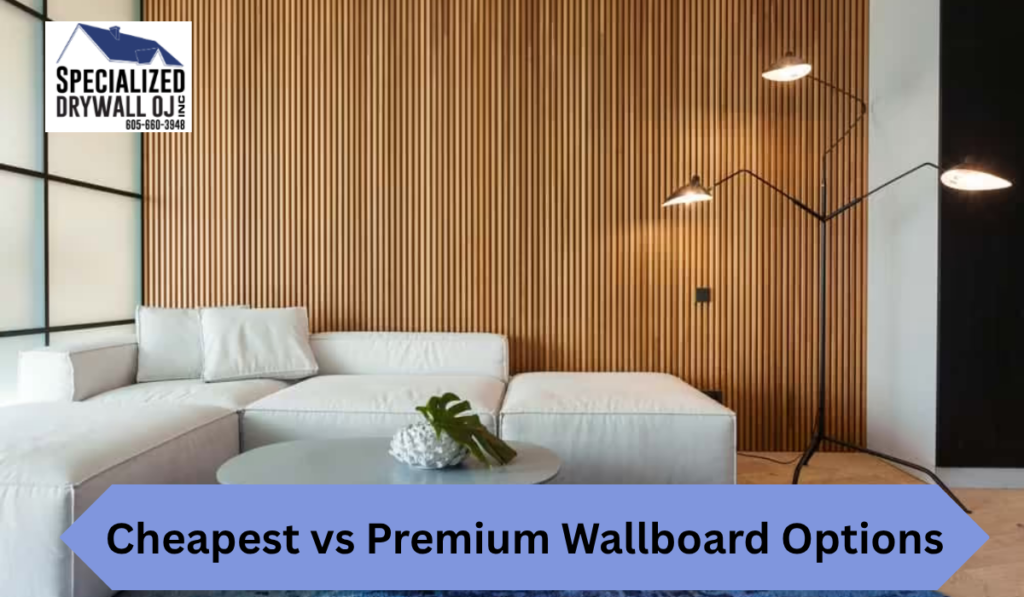
What Are Wallboard Options?
Wallboard refers to panels used for walls and ceilings. Common types include:
- Gypsum board (drywall / Sheetrock)
- MDF panels
- PVC panels
- Wooden wall panels
- Cement boards
Each type varies in cost, durability, and usage.
Cheapest vs Premium Wallboard (Quick Answer)
- Cheapest wallboard → Lower upfront cost but higher risk of repairs
- Premium wallboard → Higher upfront cost but better durability and long-term value
Cheap options are suitable for short-term or low-budget projects, while premium options are used where durability and finish matter more.
Cost Comparison (What You Actually Pay)
Cheapest Wallboard Options
Typical examples:
- Standard drywall
- MDF panels
- Basic plywood
Cost range:
- Drywall: around $2–$8 per sq ft installed
- Basic panels: lower upfront cost
These materials are widely used because they are affordable and easy to install.
Premium Wallboard Options
Examples:
- Solid wood panels
- High-grade composite panels
- Moisture-resistant or fire-rated boards
Cost range:
- Engineered panels: $5–$15 per sq ft
- Solid wood: $15–$30 per sq ft
These materials cost more due to better quality and longer lifespan.
Quality and Durability Difference
Cheap Wallboard
- Uses lower-grade materials like MDF or thin panels
- More likely to:
- Crack
- Swell with moisture
- Wear out faster
Frequent repairs may be needed over time.
Premium Wallboard
- Made with stronger materials like hardwood or engineered composites
- Better resistance to:
- Moisture
- Scratches
- Daily wear
This results in a longer lifespan and fewer repairs.
Appearance and Finishing
Cheap Options
- Limited designs
- Basic finishes
- May look uneven after installation
Premium Options
- Wide range of textures and finishes
- Better detailing and customization
- More suitable for decorative interiors
Installation Differences
Cheap Wallboard
- Easier to install
- Suitable for simple projects
- May require adjustments due to inconsistent quality
Premium Wallboard
- More precise fitting
- Better alignment and finishing
- Sometimes requires skilled installation
Well-made panels can reduce installation time due to accurate sizing
Long-Term Value (Where Most Buyers Go Wrong)
Many buyers focus only on initial cost, but long-term value matters more.
Cheap Wallboard:
- Lower upfront cost
- Higher maintenance
- Shorter lifespan
Premium Wallboard:
- Higher upfront cost
- Lower maintenance
- Longer lifespan
In many cases, premium options end up costing less over time due to fewer repairs.
Where Cheap Wallboard Makes Sense
Choose cheaper options if:
- You have a tight budget
- The project is temporary
- The area has low usage
- Appearance is not a priority
Where Premium Wallboard Is Worth It
Premium wallboard is better when:
- The area has high traffic
- Moisture or durability is a concern
- Interior design matters
- You want long-term performance
Common Buyer Mistakes
Many problems come from these decisions:
- Choosing the cheapest option without checking durability
- Ignoring moisture conditions
- Using decorative panels in high-use areas
- Not considering long-term repair costs
What Most Competitors Don’t Explain
Some key points often missed:
- Cheap wallboard can cost more over time due to repairs
- Premium panels are not just about looks—they last longer
- Material type matters more than price alone
- Installation quality affects performance just as much as material
Practical Buying Tips
Before choosing wallboard:
- Check where it will be installed (dry vs wet area)
- Compare lifespan, not just price
- Ask about maintenance needs
- Choose proper thickness and material type
Working with experienced providers like Specialized Drywall helps ensure that the right wallboard is selected for your project needs.
Final Thoughts
Both the cheapest and premium wallboard options have their place. The right choice depends on your budget, usage, and expectations.
If you focus only on price, you may face issues later. If you consider durability and long-term value, you can make a more balanced decision.
Call to Action
If you’re planning a wallboard project and want the right material based on your space and budget, contact Specialized Drywall to discuss your requirements and make the right choice from the start.
FAQs
Q1: What is the cheapest wallboard option?
Standard drywall and MDF panels are usually the most affordable options.
Q2: Is premium wallboard worth the cost?
Yes, in many cases it lasts longer and requires less maintenance, which can reduce overall costs.
Q3: Which wallboard is best for durability?
Cement boards, composite panels, and solid wood panels are more durable than basic drywall.
Q4: Can cheap wallboard last long?
It can last in low-use areas, but it may require repairs sooner than premium options.
Q5: Is drywall cheaper than wall panels?
Yes, drywall is usually more affordable compared to most wall panel options.
Q6: Which wallboard is best for moisture areas?
Cement boards or PVC panels are better suited for moisture-prone areas.
Q7: How do I choose the right wallboard?
Choose based on budget, durability needs, and where the wallboard will be installed.