
Choosing the right ceiling material is not as simple as it seems. Many people choose what looks good at first but later face issues such as cracks, stains, or uneven surfaces. If you’re thinking about gypsum board, it’s normal to wonder whether it will last and suit your space.
This blog is written for homeowners, first-time buyers, and small contractors who want clear and honest information before making a decision. Instead of general claims, this guide explains how gypsum ceilings perform in real conditions so you can decide with clarity.
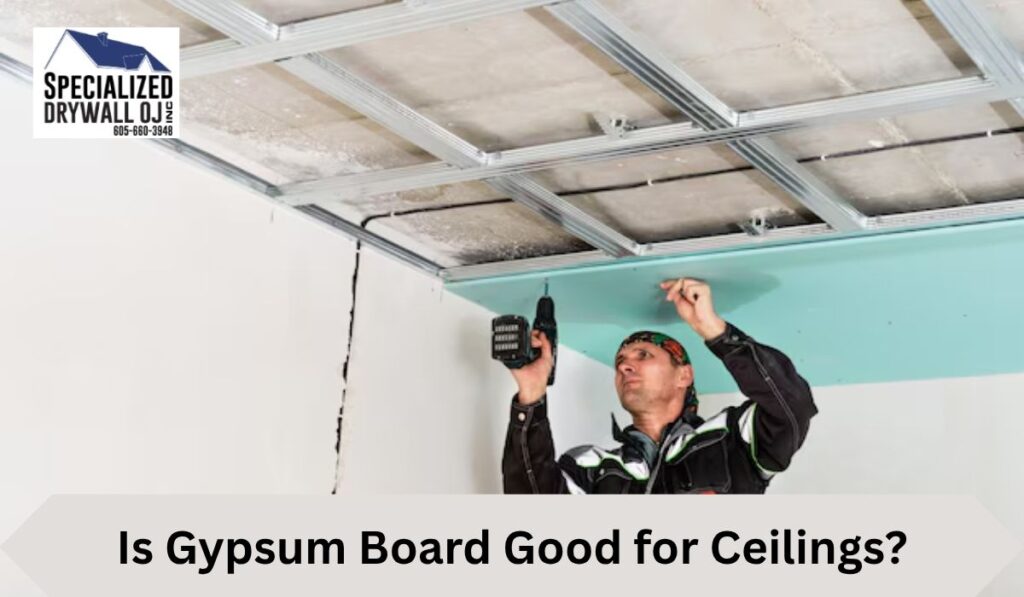
What Is a Gypsum Board Ceiling?
A gypsum board is a panel made from a mineral core pressed between strong paper layers. These panels are installed on a metal frame below the main ceiling to create a false ceiling.
They are commonly used in:
- Houses and apartments
- Offices
- Shops and commercial spaces
The final result is a flat and clean ceiling surface that can also support lighting designs.
Is Gypsum Board Good for Ceilings? (Clear Answer)
Yes, gypsum board is suitable for ceilings in most indoor spaces. It is widely used because it balances appearance, durability, and installation time.
However, performance depends on:
- The type of board used
- Room conditions (especially moisture)
- Installation quality
When these factors are handled correctly, gypsum ceilings perform well for many years.
Main Benefits of Gypsum Board Ceilings
Clean and Uniform Surface
Gypsum boards create a smooth ceiling without rough patches, making paint application easier and neater.
Lightweight Structure
They are lighter than traditional plaster, reducing the load on the building and making them suitable for renovation projects.
Fire Resistance
Gypsum contains water in its structure, which slows the spread of fire and adds a level of safety indoors.
Sound Control
Gypsum ceilings can reduce noise levels, especially when insulation is added above them.
Design Flexibility
They can be shaped into:
- Layered ceilings
- Cove lighting setups
- Straight or curved patterns
Cleaner Installation Process
Unlike wet plaster, gypsum board installation creates less mess and can be completed faster.
Drawbacks You Should Know
Sensitive to Water
Standard boards can absorb moisture, which may lead to:
- Stains
- Swelling
- Sagging
Moisture-resistant boards should be used in areas such as kitchens and bathrooms.
Surface Can Dent
Gypsum is softer than concrete or wood, so a strong impact can damage the surface.
Depends on Installation Quality
Improper installation can lead to the following:
- Visible joints
- Uneven finishing
- Cracks over time
Gypsum Board vs Other Ceiling Materials
| Feature | Gypsum Board | POP Ceiling | PVC Ceiling |
| Installation Time | Short | Longer | Very short |
| Finish | Smooth | Slightly rough | Plastic look |
| Durability | Good | Medium | Good |
| Water Resistance | Medium | Low | High |
| Maintenance | Low | Medium | Low |
| Cost | Mid-range | Mid-range | Slightly higher |
Gypsum sits in a balanced position between appearance and durability.
What Many Sellers Don’t Mention
Some details are often overlooked:
- Not all gypsum boards are equal in quality
- Low-density boards can sag earlier
- Thickness affects strength
- Frame quality impacts long-term performance
These points directly affect how long the ceiling will last.
Common Mistakes Buyers Make
Many problems start with these decisions:
- Choosing low-cost boards without checking quality
- Ignoring humidity conditions
- Hiring workers without gypsum experience
- Using weak metal framing
- Not planning lighting beforehand
Avoiding these mistakes can prevent future repairs.
Practical Buying Points to Check
Before selecting gypsum board, consider:
- Board thickness (12.5mm is commonly used for ceilings)
- Type of board (standard or moisture-resistant)
- Frame material quality
- Proper joint finishing
Companies like Specialized Drywall focus on correct material selection and installation methods, which play a major role in how the ceiling performs over time.
Where Gypsum Board Works Well
Gypsum ceilings are suitable for:
- Living rooms
- Bedrooms
- Offices
- Shops
They perform best in dry indoor environments.
Where Extra Care Is Needed
Special attention is required in:
- Bathrooms → use moisture-resistant boards
- Kitchens → ensure ventilation
- Areas with leakage → fix the issue before installation
Lifespan of Gypsum Ceilings
With proper installation and normal indoor use, gypsum ceilings can last:
- Around 10 to 20 years
Lifespan depends on:
- Moisture exposure
- Structural movement
- Maintenance
Maintenance Requirements
Basic maintenance includes:
- Repainting after some years
- Fixing leaks immediately
- Repairing minor cracks early
Final Thoughts
Gypsum board is a practical ceiling material when used correctly. It gives a neat finish and works well in most indoor spaces.
The overall result depends on proper material selection and skilled installation. Working with experienced teams like Specialized Drywall helps avoid common issues and ensures better long-term performance.
Call to Action
If you’re planning a ceiling project, it’s important to choose the right materials and installation approach.
Get in touch with Specialized Drywall to discuss your requirements and make the right choice for your space.
FAQs
Q1: Is gypsum board strong enough for ceilings?
Yes, it is suitable for indoor ceilings when installed with proper framing and finishing.
Q2: Can gypsum board be used in bathrooms?
Yes, but moisture-resistant boards should be used in such areas.
Q3: Does the gypsum ceiling crack over time?
Cracks can appear if joints are not properly finished or if there is structural movement.
Q4: Which is better: gypsum or POP?
Gypsum provides a smoother finish and takes less time to install than POP.
Q5: How much does a gypsum ceiling cost?
The cost varies depending on design, materials, and labor, but it usually falls in the mid-range.
Q6: Can lights be installed in gypsum ceilings?
Yes, gypsum ceilings are commonly used for LED and recessed lighting.
Q7: How do I maintain a gypsum ceiling?
Keep it dry, repaint as needed, and repair minor damage early.