
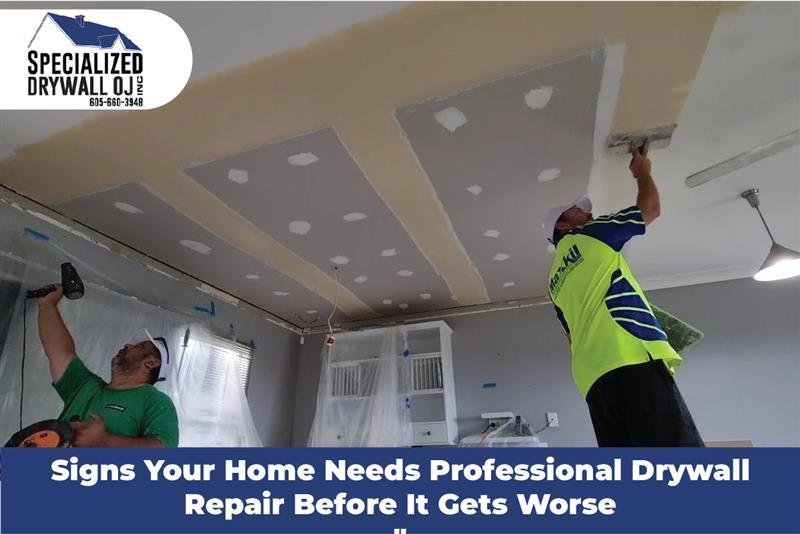
Drywall is one of the most important structural and visual components inside your home. It protects wiring and insulation, creates smooth walls and ceilings, and plays a major role in your home’s appearance and value. Unfortunately, drywall damage often starts small—and many homeowners ignore it until the problem becomes expensive or dangerous.
Cracks, stains, soft spots, or bulging walls may appear cosmetic. Still, they are often early warning signs of deeper problems, such as moisture intrusion, structural movement, or poor installation. Knowing when to call for professional drywall repair can save you time, money, and stress.
In this comprehensive guide, we’ll walk you through the most common signs your home needs professional drywall repair before it gets worse, explain what causes them, and help you understand when DIY fixes are no longer enough.
1. Cracks in Walls and Ceilings
Cracks are among the most noticeable drywall issues—and among the most misunderstood.
Common Types of Drywall Cracks
- Hairline cracks from settling
- Diagonal cracks near doors or windows
- Ceiling cracks along seams
- Expanding or spreading cracks
What Causes Cracks?
- Normal house settling
- Temperature and humidity changes
- Poor drywall installation
- Structural movement or foundation issues
When to Call a Professional
If cracks:
- Keep coming back after patching
- Are they growing longer or wider
- Appear in multiple rooms.
…it’s time for professional drywall repair. A contractor can determine whether the issue is cosmetic or structural and repair it properly so it doesn’t return.
2. Water Damage, Stains, and Moisture Marks
Water is drywall’s worst enemy. Even small leaks can cause serious damage if left untreated.
Signs of Water-Damaged Drywall
- Yellow or brown stains
- Bubbling or peeling paint
- Soft or crumbling drywall
- Mold or mildew odors
Why This Is Serious
Water damage weakens drywall, encourages mold growth, and can affect indoor air quality. Simply painting over stains hides the problem—but doesn’t fix it.
Professional Repair Matters
A drywall professional will:
- Identify the moisture source
- Remove damaged drywall safely.
- Replace and finish affected areas properly.
Ignoring water damage often leads to full drywall replacement later, which costs significantly more.
3. Holes, Dents, and Impact Damage
From moving furniture to door handles and pets, drywall takes a lot of abuse over time.
Common Causes
- Accidental impacts
- Furniture movement
- Kids or pets
- Improper wall mounting
Why DIY Patches Often Fail
Small patch kits may temporarily hide damage, but poor blending, weak backing, and uneven finishing often leave visible marks.
Professional drywall repair ensures:
- Proper reinforcement
- Seamless blending
- Paint-ready surfaces
4. Bulging, Bubbling, or Sagging Drywall
Any drywall that appears swollen, uneven, or sagging should never be ignored.
What These Signs Mean
- Moisture trapped behind drywall.
- Loose fasteners or framing issues
- Aging drywall is losing its integrity.
Sagging ceilings are especially dangerous and may pose safety risks.
Why Immediate Action Is Needed
Professional drywall contractors can assess whether repair or replacement is required and prevent further damage or collapse.
5. Nail Pops and Visible Seams
Nail pops appear as small bumps or circles on walls and ceilings where fasteners push through the surface.
Common Causes
- House settling
- Temperature fluctuations
- Improper installation
Visible seams and tape lines indicate poor finishing or aging drywall.
Why Professional Repair Is Better
Professionals secure drywall correctly, refinish joints, and restore a smooth surface that won’t reappear after painting.
6. Peeling Paint or Wallpaper That Won’t Stick
Paint and wallpaper problems often point to underlying drywall issues.
Possible Causes
- Moisture beneath the surface
- Poor drywall finishing
- Old or damaged wallpaper
If the finish won’t adhere properly, repairing the drywall—not repainting—is the correct solution.
7. Pest or Termite Damage
Insects and rodents can damage drywall from behind, leaving subtle signs.
Warning Signs
- Pinholes or small tunnels
- Soft or hollow spots
- Crumbling drywall
Professional drywall repair ensures damaged areas are removed and replaced correctly after pest issues are resolved.
8. Soft, Weak, or Spongy Drywall
Press lightly on your walls. If the drywall feels soft, flexible, or weak, it’s no longer structurally sound.
Common Causes
- Long-term moisture exposure
- Mold growth
- Old or degraded materials
Soft drywall cannot support shelving, fixtures, or wall-mounted items safely and should be repaired by professionals.
DIY vs Professional Drywall Repair: Know the Difference
DIY Repairs Are Okay For:
- Tiny nail holes
- Very small surface scratches
Professional Repair Is Needed For:
- Cracks that return
- Water damage
- Ceiling issues
- Structural concerns
- Large or multiple damaged areas
Hiring professionals ensures the root cause is fixed—not just the surface.
Why Professional Drywall Repair Saves You Money
While DIY repairs may seem cheaper, poor repairs often lead to:
- Repeat damage
- Larger repair areas
- Lower home value
Professional drywall repair provides:
- Long-lasting results
- Proper materials and techniques
- Smooth, invisible finishes
FAQs
Ans: If damage is spreading, recurring, or involves moisture or the ceiling, it’s best to call a professional.
Ans: Yes, certain crack patterns may signal structural movement and should be evaluated.
Costs vary based on the size, location, and cause of the damage. A professional inspection provides accurate pricing.
Ans: Most residential drywall repairs are completed within one day, though drying time may vary.
Ans: Minor damage can often be repaired, while severe or water-damaged drywall usually requires replacement.